Dancehall 101 · Lesson 7 of 9
Visual Media
From hand-drawn flyers to VHS and social video — how dancehall has documented itself.
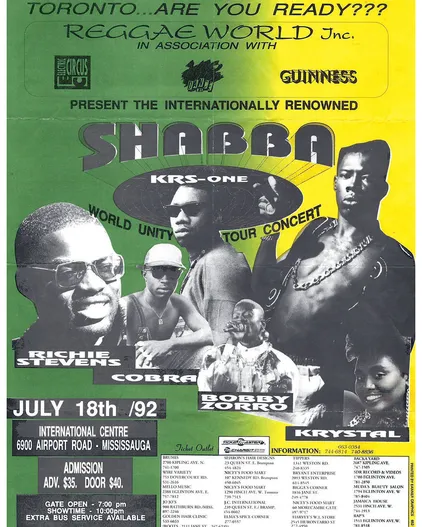
Dancehall has always been intensely self-documenting. Long before smartphones, promoters commissioned hand-drawn and later desktop-published flyers to advertise dances — vivid, text-dense posters that are now studied as a folk-art tradition in their own right, capturing the visual slang and aesthetics of each era.
The rise of affordable video cameras in the 1980s and '90s produced a huge informal archive of dancehall on VHS: recordings of dances, sound clashes, and stage shows that circulated hand-to-hand and were often the only surviving record of a given night. Much of what is known today about specific dance moves, fashion trends, and even specific sound clashes comes from this grassroots video archive.
That documentary instinct has carried directly into the internet era — YouTube, Instagram, and TikTok now serve the same function flyers and VHS tapes once did, spreading new dances, fashion, and deejay clips within hours rather than weeks. Dancehall's relationship to visual media is part of why the culture has always felt current: it has never waited for outside media to tell its story.
Go deeper in the Journal
Related artists
Cat Coore
Jamaican guitarist and cellist, co-founder and longtime musical director of the pioneering reggae-fusion band Third World.
Dermot Hussey
Jamaican-born broadcaster and musicologist known as the "Dean of Jamaican Radio," celebrated for decades of reggae journalism — including a landmark 1975 Bob Marley interview — and for bringing reggae programming to satellite radio via SiriusXM's "The Joint."
Shabba Ranks
Dancehall's 'Mr. Loverman,' the first dancehall deejay to win a Grammy Award and the artist most responsible for breaking dancehall into the American mainstream in the early 1990s.
Beenie Man
Self-proclaimed 'King of the Dancehall,' one of the genre's most commercially successful and enduring global ambassadors across a career spanning more than four decades.
Next lesson