Dancehall 101 · Lesson 1 of 9
Sound System Culture
The mobile speaker stacks, selectors, and dubplates that built dancehall from the ground up.
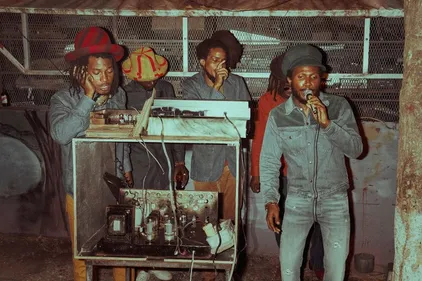
Before dancehall was a genre, it was a piece of equipment — the sound system. Starting in the 1950s, Jamaican entrepreneurs assembled mobile rigs of speaker boxes and amplifiers to play records for public audiences in yards, streets, and dance halls. A sound system was never just speakers: it was a full institution built from selectors (who choose the records), operators, deejays, dubplates (one-off exclusive recordings cut specifically for a sound), and a loyal audience who followed a system the way fans follow a team.
Pioneering systems like Sir Coxsone's Downbeat, Duke Reid's Trojan, and later King Tubby's Home Town Hi-Fi turned playing records into a competitive art form. Sound clashes — head-to-head battles where rival systems try to out-tune, out-volume, and out-select one another — became (and remain) one of the culture's central rituals, rewarding not just musical taste but showmanship, crowd reading, and access to exclusive dubs.
Sound system culture is where dub, remix practice, and the entire idea of the producer-as-artist were born, decades before those ideas reached hip-hop and electronic music elsewhere in the world. It's also where dancehall gets its name: the actual halls, lawns, and street corners where sound systems played became known simply as "the dancehall," and the culture that grew up around them eventually took that name for itself.
Go deeper in the Journal
Related artists
Buju Banton
One of dancehall and reggae's most influential deejays, whose 1995 album "'Til Shiloh" is widely credited with helping steer 1990s dancehall toward a more conscious, Rastafari-rooted sound; a Grammy winner whose career has also been marked by the internationally condemned song "Boom Bye Bye" and a 2011 US drug-trafficking conviction.
Capleton
Jamaican reggae/dancehall deejay known as "The Fireman," "King Shango," and "The Prophet" — a leading figure, alongside Buju Banton and Sizzla, in dancehall's 1990s turn back toward Rastafari-rooted, socially conscious lyrics.
Garnett Silk
Reggae singer and devout Rastafarian whose conscious, spiritually-charged music made him one of the most anticipated voices in reggae before his death at age 28 in a house fire.
Yellowman
Pioneering dancehall deejay known as 'King Yellowman,' widely credited as one of the founding fathers of dancehall and the first dancehall artist signed to a major U.S. label.
Next lesson