2026-04-02
Icons of Dancehall Style: Artists Who Defined the Image of the Culture
From its earliest days in Kingston’s dance spaces and sound systems, dancehall has been a culture built as much on image as on sound. Artists did not simply perform music — they presented themselves. They constructed identities through clothing, posture, movement, and visual presence.
Curated by YardRock TV · Researched by The Reggae Institute
A Dancehall Museum Journal Feature
Dancehall is not only heard. It is seen.
From its earliest days in Kingston’s dance spaces and sound systems, dancehall has been a culture built as much on image as on sound. Artists did not simply perform music — they presented themselves. They constructed identities through clothing, posture, movement, and visual presence.
In dancehall, style is not decoration. It is language, power, and performance.
Across decades, certain artists have defined how dancehall looks. Through fashion, grooming, stage presence, and public image, they helped shape one of the most influential visual cultures in the modern Black world.
This is a history of those artists — not only as musicians, but as architects of image.
The Artist as Image-Maker in Dancehall
In many music traditions, fashion follows the music.
In dancehall, the relationship is different.
Style evolves with the music — and often drives it.
Dancehall artists have long understood that to succeed in the culture, one must command not only sound, but visibility. This means:
The artist becomes a visual identity system.
Through this system, dancehall artists helped define:
This is why dancehall belongs not only to music history, but to fashion history and visual culture.
Yellowman: Bold Visibility, Stage Spectacle, and Early Dancehall Image
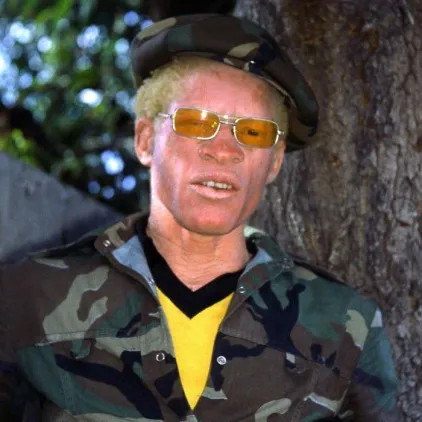
Few artists were as visually unforgettable in the early development of dancehall as Yellowman.
As one of the most recognizable stars of the early 1980s dancehall era, Yellowman helped establish a model of performance in which image, humor, charisma, stagewear, and public presence all worked together. He was not simply heard — he was immediately seen.
Yellowman’s visual identity often reflected:
What makes Yellowman so important in the history of dancehall style is that he emerged at a time when dancehall was still defining its public image.
He helped show that a dancehall artist did not need to fit inherited ideas of conventional stardom to become iconic. Instead, image could be built through:
In this way, Yellowman helped shape one of dancehall’s most enduring truths:
Visibility itself is power.
His role in the early image-making of dancehall remains foundational.
Super Cat: Cool Authority, Street Elegance, and Dancehall Swagger
If Yellowman helped define early visual recognizability in dancehall, Super Cat helped elevate the culture’s image into a more refined register of cool authority and effortless swagger.
Super Cat’s style was often less about excess and more about command.
His image communicated:
This is one of the reasons Super Cat remains such an important figure in dancehall fashion history. He embodied a version of dancehall style in which presence did not require visual overload. Instead, it relied on:
Super Cat’s image helped define a particularly influential form of dancehall masculinity — one rooted in style, calm power, and social command.
His impact can still be felt in how artists and audiences understand the relationship between:
Super Cat showed that dancehall style could be loud when necessary — but it could also be cool, controlled, and deeply iconic.
Shabba Ranks: Power, Presence, and the Global Dancehall Image
Few artists have shaped the global image of dancehall as powerfully as Shabba Ranks.
Emerging in the late 1980s and reaching international prominence in the early 1990s, Shabba Ranks embodied a new level of visibility for dancehall culture. His image was unmistakable — bold, commanding, and deeply rooted in Jamaican style while also engaging a global audience.
His visual language included:
Shabba Ranks did not simply dress well. He projected power through style.
At a time when dancehall was expanding globally, his image helped define what dancehall masculinity looked like on the world stage. He demonstrated that dancehall artists could carry themselves with the same visual authority as global superstars — while remaining rooted in Jamaican cultural expression.
His influence continues to shape how dancehall artists understand image, presence, and stage identity.
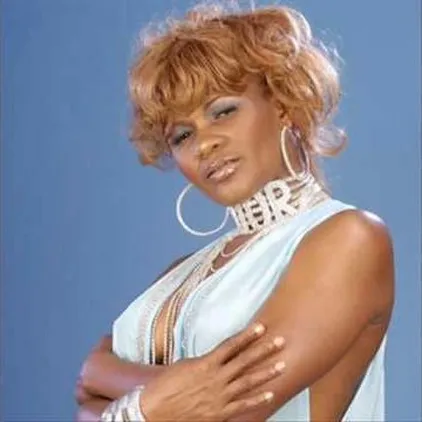
Lady Saw: Feminine Power, Bold Style, and Cultural Visibility
If Shabba Ranks defined a certain vision of masculine power in dancehall, Lady Saw redefined what feminine power could look like in the culture.
Lady Saw’s impact extends far beyond music. She helped shape one of the most important visual and performative languages of femininity in dancehall.
Her style was:
Lady Saw’s presence challenged and expanded expectations of women in dancehall. Through fashion, performance, and image, she created a space in which femininity could be:
She did not simply participate in dancehall’s visual culture. She helped redefine it.
Her influence can still be seen in how women across dancehall and global music approach styling, performance, and public image.
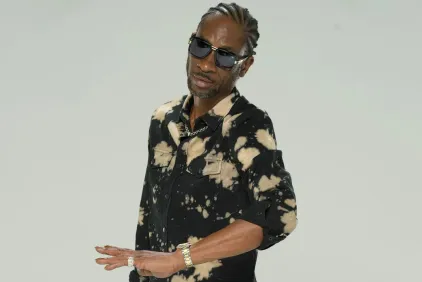
Bounty Killer: Street Authority and the Language of Realness
Bounty Killer represents a different but equally powerful dimension of dancehall style — one rooted in street authority and authenticity.
His visual identity has often reflected:
Bounty Killer’s style is important because it shows that dancehall fashion is not only about glamour. It is also about realness.
His image aligned closely with the realities of urban Jamaica and the lived experiences that shaped much of dancehall culture. This gave his visual presence a credibility that resonated deeply with audiences.
Through artists like Bounty Killer, dancehall style demonstrated that power can be expressed not only through spectacle, but through grounded identity and authenticity.
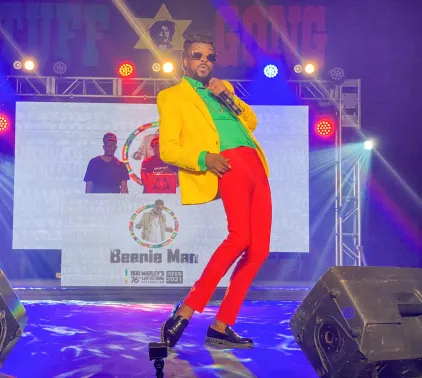
Beenie Man: Versatility, Performance, and Style Evolution
Beenie Man represents one of the most versatile visual identities in dancehall history.
His career spans multiple eras of the culture, and his style reflects that adaptability. Unlike more singular visual identities, Beenie Man’s image has evolved continuously, embracing different aesthetics across time.
His style has included:
Beenie Man’s importance lies in his ability to treat style as part of performance.
His fashion is often designed not only to be seen, but to move, react, and energize the audience.
This highlights a key principle of dancehall fashion:
Style must live in motion.
Through artists like Beenie Man, dancehall demonstrates that fashion is not static — it is activated through performance.
Dancehall Style Beyond the Individual Artist
While iconic figures are essential, dancehall style cannot be reduced to individual artists alone.
It is a collective visual system shaped by:
The dancehall itself is a space where style is constantly created, interpreted, and redefined.
Artists play a central role, but they are part of a larger ecosystem in which fashion, movement, and public image are always evolving.
This is why dancehall style is so dynamic. It is not controlled by a single authority.
It is built through collective creativity.
The Global Impact of Dancehall Image Culture
The visual language shaped by these artists has traveled far beyond Jamaica.
Dancehall’s influence can be seen across:
The idea that an artist must have a strong visual identity — that image is inseparable from sound — is now standard in global music culture.
Dancehall helped establish that principle early.
Its artists demonstrated that:
These ideas are now central to global popular culture.
Why These Icons Belong in the Museum
Artists like Shabba Ranks, Lady Saw, Bounty Killer, and Beenie Man belong in the museum not only because of their music, but because of their role in shaping visual culture.
Their images document:
To preserve their style is to preserve:
This is why dancehall must be documented not only through sound, but through image.
Because in dancehall, the two are inseparable.
Conclusion: Style as Cultural Legacy
Dancehall artists did more than create music.
They created a way of being seen.
Through clothing, movement, posture, and presence, they built one of the most powerful visual cultures in the modern world. Their influence continues to shape how artists, performers, and audiences understand the relationship between sound and image.
Dancehall style is not accidental. It is intentional, expressive, and deeply cultural.
And its icons are not only musicians.
They are designers of identity, architects of visibility, and authors of cultural image.
Dancehall style is not just about fashion.
It is about how a culture chose to present itself to the world.
Research Credit
Published by Dancehall Museum
From the Archive: The Visual Language of Dancehall Flyers
From the Archive: The Visual Language of Dancehall Flyers A Dancehall Museum Archive Feature Researched by The Reggae Institute Curated by YardRock TV Long before social media posts, event pages, or digital campaigns, dancehall moved through paper, walls, corners, lampposts, handbills, and street circulation. Among the most important visual records of dancehall culture are its…
Read More From the Archive: The Visual Language of Dancehall FlyersContinue
The Complete History of Dancehall: From Kingston’s Dance Floors to a Global Cultural Force
A Dancehall Museum Feature Researched by The Reggae Institute Curated by YardRock TV Dancehall is one of the most influential cultural movements to emerge from Jamaica in the modern era.It is at once a music, a social world, a performance tradition, a visual language, a fashion system, a dance vocabulary, and a powerful site…
Read More The Complete History of Dancehall: From Kingston’s Dance Floors to a Global Cultural ForceContinue
Dancehall Queens: Style, Power, and Cultural Influence
Dancehall Queens: Style, Power, and Cultural Influence Photography Alex Welsh A Dancehall Museum Journal Feature Researched by The Reggae Institute Curated by YardRock TV The figure of the dancehall queen is one of the most visually powerful and culturally significant presences in Jamaican popular culture. She is not simply a style icon, nor merely a…
Read More Dancehall Queens: Style, Power, and Cultural InfluenceContinue
Dancehall Fashion: The Evolution of Jamaican Style
Bequeathed to Akeem Smith / No Gyal Can Test Archive.Photo Morris (1939-2016), chromogenicprint, 1992. Dancehall Fashion: The Evolution of Jamaican Style A Dancehall Museum Journal Feature Researched by The Reggae Institute Curated by YardRock TV Dancehall fashion is one of the most visually powerful and culturally influential style traditions to emerge from Jamaica. It is…
Read More Dancehall Fashion: The Evolution of Jamaican StyleContinue
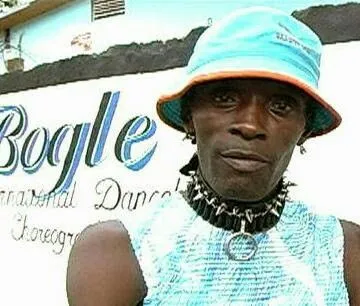
Dancehall Dancers & Fashion Icons – Bogle, Latonya Style, and the Legacy of Style in Motion
Dancehall, born in the inner-city streets of Kingston, Jamaica, is more than a musical genre — it’s a culture. From music to language, to fashion and especially dance, it’s a living, breathing form of expression that has shaped global popular culture. At the heart of this movement are the dancers — trendsetters, stylists, and…
Read More Dancehall Dancers & Fashion Icons – Bogle, Latonya Style, and the Legacy of Style in MotionContinue
The Evolution of Dancehall Fashion: A Journey Through Six Eras
The Evolution of Dancehall Fashion: A Journey Through Six Eras Dancehall has always been more than just music — it’s a movement, a lifestyle, and a bold expression of Caribbean identity. Nowhere is this more evident than in its fashion. From the early sound system parties to today’s global stage, dancehall fashion has evolved through…
Read More The Evolution of Dancehall Fashion: A Journey Through Six ErasContinue
Related articles
Continue reading