2026-08-13
The Global Spread of the Digital Dancehall Sound
From a Kingston keyboard preset to the Billboard charts, London sound systems, and the DNA of reggaeton — how the digital riddim traveled the world.
Curated by YardRock TV · Researched by The Reggae Institute
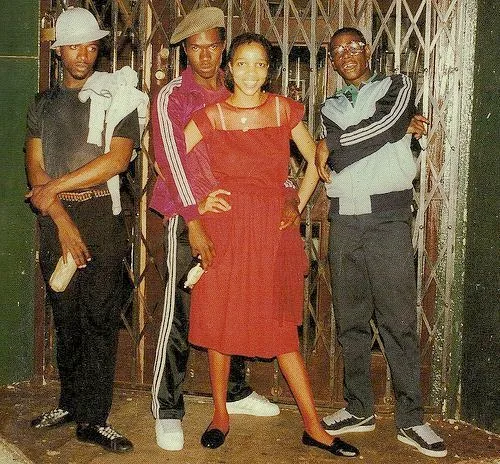
The digital riddim was born in one Kingston studio in 1985, but it did not stay there. Within a few years of "Under Mi Sleng Teng," the sound of drum machines and synthesizers driving dancehall's rhythmic engine had spread from Jamaican sound systems into international charts, diaspora communities abroad, and — eventually — entirely new genres built on its foundation.
Riding the Diaspora Networks
Jamaican music had traveled through diaspora networks for decades before the digital era, carried to London, New York, and Toronto by migration and by touring sound systems. Digital production accelerated that circulation: riddims and dubplates that once took months to reach overseas audiences on pressed vinyl could now be produced, voiced, and distributed on cassette and dubplate far more quickly, keeping diaspora sound systems in London and New York closely synced with what was happening in Kingston dances in near real time.
Breaking the American Mainstream
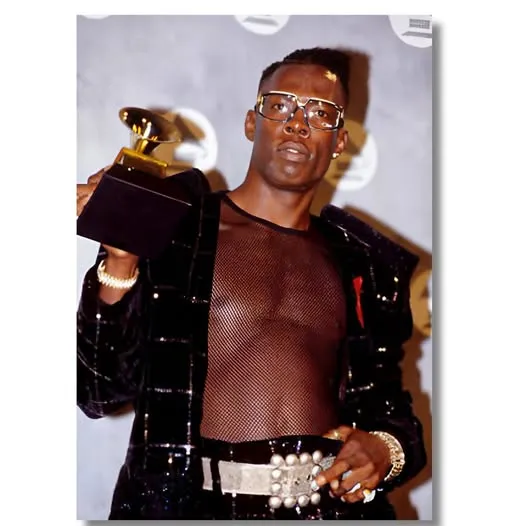
The digital era also produced dancehall's first genuine American commercial breakthroughs. Shabba Ranks became the first dancehall deejay signed to a major US label and the first to win a Grammy Award, built on the digital-riddim sound of the late 1980s and early 1990s. Where earlier generations of reggae had crossed over largely through Bob Marley's band-driven roots sound, it was the harder, sparser digital dancehall sound of the late '80s and '90s that carried the next wave of Jamaican artists onto American radio and into hip-hop collaborations.
Seeding New Genres
Perhaps the digital riddim's most lasting global legacy is genetic rather than commercial. The riddim-based model pioneered in 1980s Kingston — a single digital instrumental voiced by many different artists — became a direct structural ancestor of reggaeton, which grew out of Panamanian and Puerto Rican artists building their own vocal styles over Jamaican dancehall riddims (and, later, the digitally descended "Dem Bow" riddim) through the 1990s. That same riddim-driven logic echoes today in hip-hop's beat culture and in the sample- and instrumental-sharing conventions of contemporary Afrobeats and dembow production.
What began as a cost-saving studio shortcut on a single afternoon in Kingston became, within a decade, the rhythmic template underneath multiple global music genres — proof that a riddim built on a cheap keyboard preset could still end up reshaping how popular music is made, and shared, around the world.
Related articles
Continue reading