Collections — Theme
Music & Sound-System Culture
The speaker stacks, selectors, and dubplates that built dancehall from the ground up.
Curated by YardRock TV · Researched by The Reggae Institute
Music & Sound-System Culture
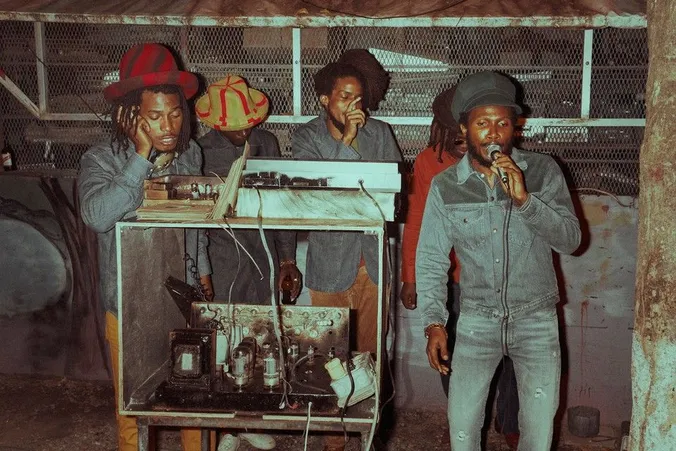
Sound system culture is the foundation of dancehall — a mobile architecture of speaker boxes, selectors, deejays, and dubplates that turned recorded music into a public, competitive, communal event. This section of the archive gathers the Museum's research and artist histories connected to sound systems and the music built on them.
This is a growing collection. As Dancehall Museum's oral-history and sound-system directory initiatives develop, this page will expand with named sound systems, selectors, and audio archives.
Related from the Journal


Related artists
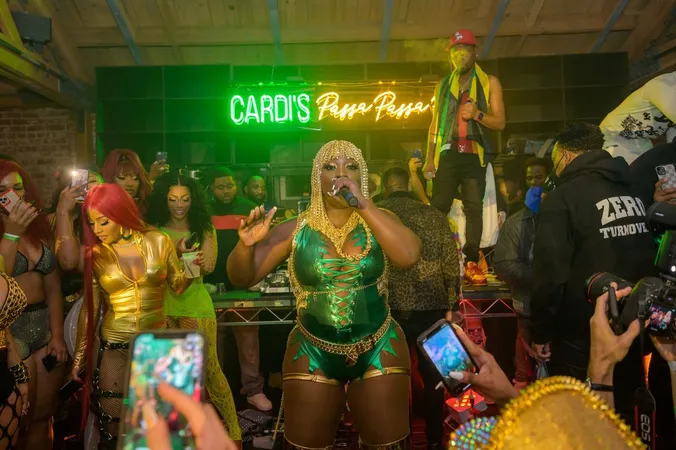
Angie Angel
Jamaican female deejay (toaster) active from the late 1980s onward, best known for her platinum UK jungle remix of "Agony" and for blending a hard-edged dancehall delivery with Rastafari-influenced conscious lyrics.
Bob Marley
The defining figure of reggae music and a global icon of Rastafari culture, Pan-Africanism, and social-justice songwriting, best known as frontman of Bob Marley and the Wailers.
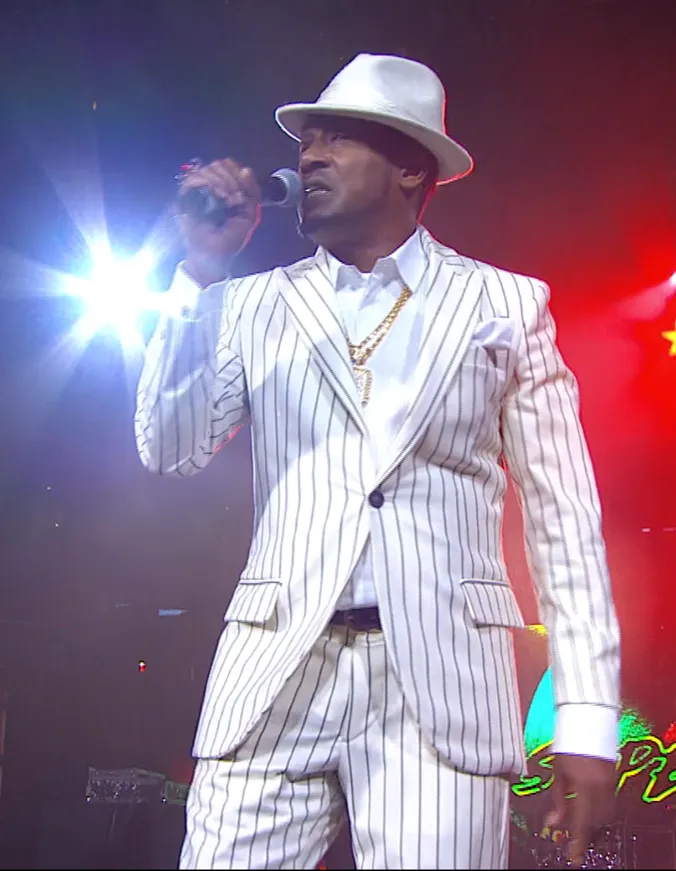
Buju Banton
One of dancehall and reggae's most influential deejays, whose 1995 album "'Til Shiloh" is widely credited with helping steer 1990s dancehall toward a more conscious, Rastafari-rooted sound; a Grammy winner whose career has also been marked by the internationally condemned song "Boom Bye Bye" and a 2011 US drug-trafficking conviction.
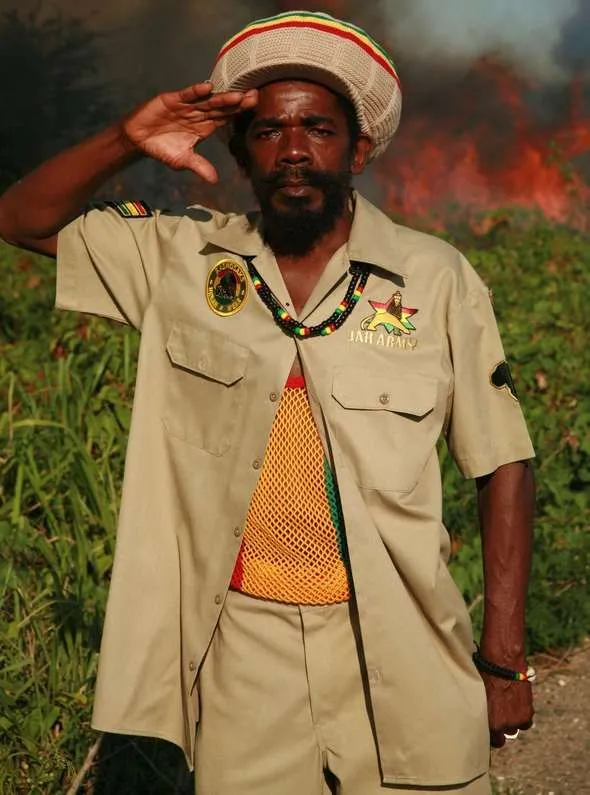
Capleton
Jamaican reggae/dancehall deejay known as "The Fireman," "King Shango," and "The Prophet" — a leading figure, alongside Buju Banton and Sizzla, in dancehall's 1990s turn back toward Rastafari-rooted, socially conscious lyrics.
Cat Coore
Jamaican guitarist and cellist, co-founder and longtime musical director of the pioneering reggae-fusion band Third World.
Dermot Hussey
Jamaican-born broadcaster and musicologist known as the "Dean of Jamaican Radio," celebrated for decades of reggae journalism — including a landmark 1975 Bob Marley interview — and for bringing reggae programming to satellite radio via SiriusXM's "The Joint."