Dancehall 101 · Lesson 9 of 9
The Difference Between Dancehall and Reggae
Two distinct genres, one shared lineage — how dancehall grew out of reggae and became its own sound, culture, and attitude.
Outside Jamaica, "reggae" is often used as a catch-all label for almost any Jamaican music, dancehall included. In Jamaica itself, the distinction is clear and important: reggae and dancehall are related but separate genres, each with its own sound, era, and set of values, connected by a direct line of musical evolution rather than being interchangeable names for the same thing.
Reggae emerged in the late 1960s out of ska and rocksteady, defined by its unhurried, syncopated "one drop" drum pattern (the emphasis falling on the third beat rather than the first), warm live-band instrumentation — bass, drums, guitar skank, horns, organ — and unhurried, melodic singing. Reggae's golden era through the 1970s, epitomized internationally by Bob Marley, Toots and the Maytals, Burning Spear, and Peter Tosh, is closely tied to the Rastafari movement, and much of its most celebrated material deals in spirituality, repatriation, pan-African consciousness, and social and political justice.
Dancehall emerged from within that same sound-system culture in the late 1970s and matured through the 1980s as a harder, faster, more stripped-down evolution: less live instrumentation, more emphasis on the deejay chatting or toasting lyrics over a riddim rather than singing a fixed melody, and a shift in subject matter toward the immediate realities of dance-floor life, sex, money, violence, humor, and social commentary delivered with direct, often confrontational wit rather than reggae's more meditative register. The turning point most historians point to is 1985, when producer King Jammy released Wayne Smith's "Under Mi Sleng Teng," built on a fully digital, drum-machine-generated riddim — the moment dancehall decisively broke from reggae's live-band sound and became a distinct, electronically produced genre in its own right.
The two genres are best understood not as rivals but as points on a continuum: reggae is dancehall's direct parent, and dancehall is reggae's louder, faster, more confrontational descendant, born in the same sound systems and still sharing the same deejay-and-riddim performance tradition reggae itself helped originate. Many artists have worked in both idioms, riddims are frequently voiced by singers in a reggae style and deejays in a dancehall style side by side, and contemporary Jamaican music continues to move fluidly between the two. The clearest way to hear the difference is simply this: reggae tends to sing you a feeling, while dancehall tends to talk straight at you — two different temperaments built from the same foundation.
Go deeper in the Journal
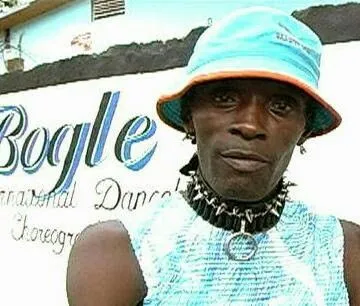
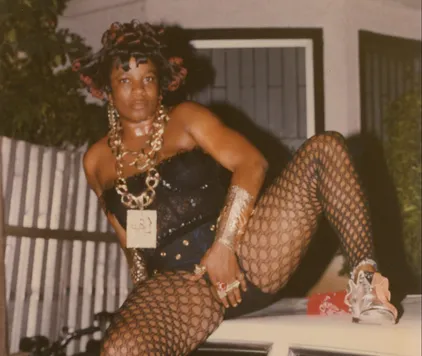
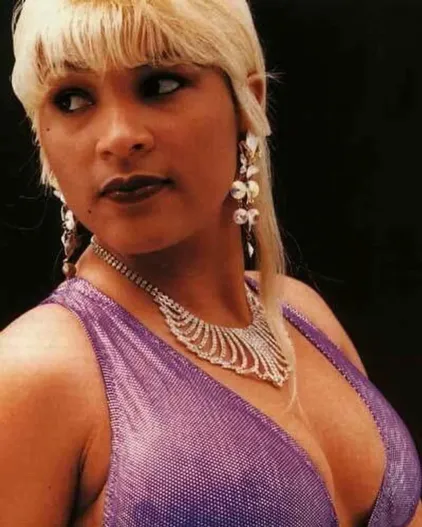
Related artists
Angie Angel
Jamaican female deejay (toaster) active from the late 1980s onward, best known for her platinum UK jungle remix of "Agony" and for blending a hard-edged dancehall delivery with Rastafari-influenced conscious lyrics.
Bob Marley
The defining figure of reggae music and a global icon of Rastafari culture, Pan-Africanism, and social-justice songwriting, best known as frontman of Bob Marley and the Wailers.
Buju Banton
One of dancehall and reggae's most influential deejays, whose 1995 album "'Til Shiloh" is widely credited with helping steer 1990s dancehall toward a more conscious, Rastafari-rooted sound; a Grammy winner whose career has also been marked by the internationally condemned song "Boom Bye Bye" and a 2011 US drug-trafficking conviction.
Capleton
Jamaican reggae/dancehall deejay known as "The Fireman," "King Shango," and "The Prophet" — a leading figure, alongside Buju Banton and Sizzla, in dancehall's 1990s turn back toward Rastafari-rooted, socially conscious lyrics.
Next lesson