2026-08-13
The Transformation of Sound System Culture in the Digital Era
Digital riddims didn't just change the studio — they changed what happened in the dance, rewriting the rules of the sound clash itself.
Curated by YardRock TV · Researched by The Reggae Institute
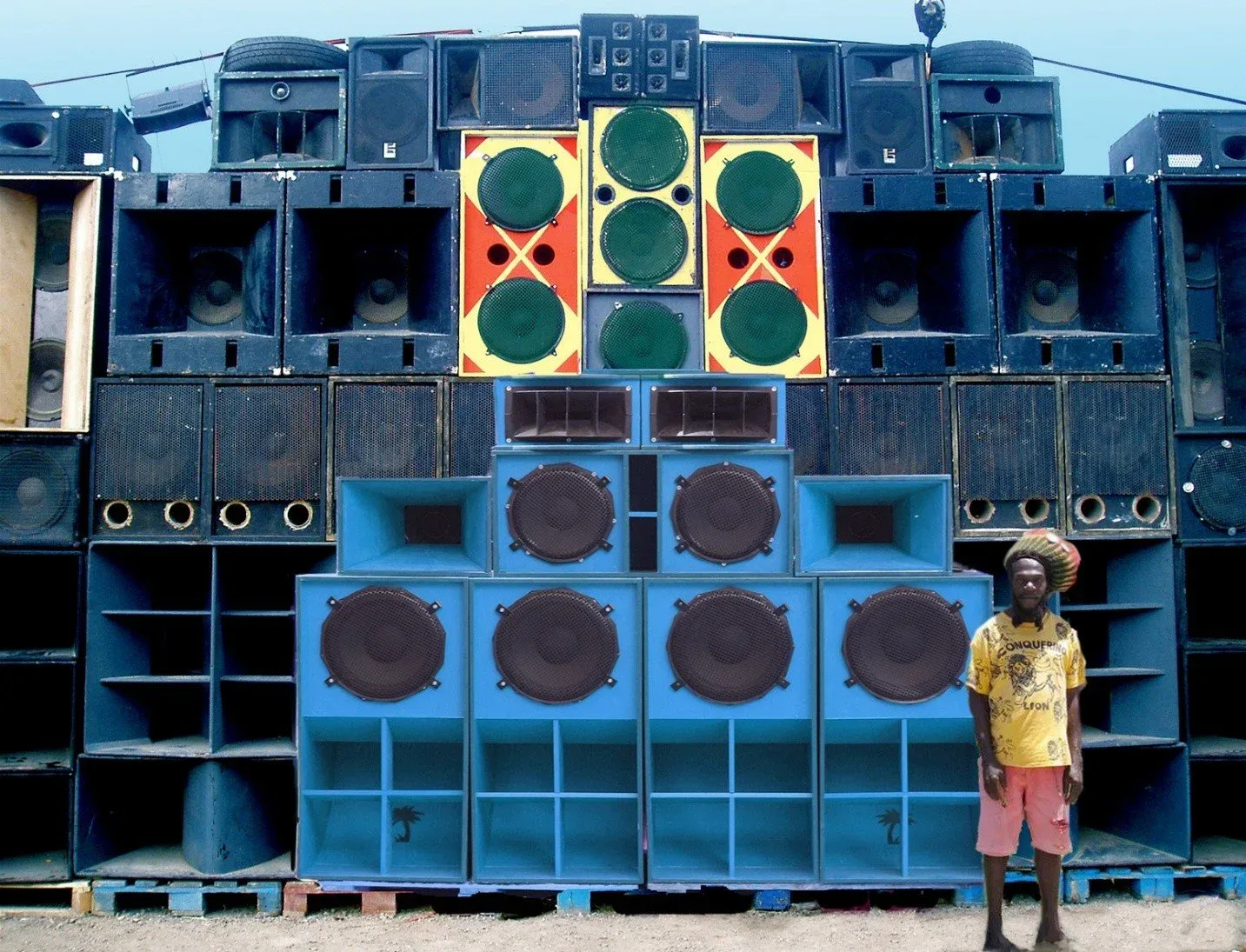
Sound system culture — the mobile speaker stacks, selectors, and dubplate traditions that built Jamaican music from the 1950s onward — was already decades old by the time digital riddims arrived in 1985. But the shift to digital production didn't leave sound system culture untouched. It reshaped what a dubplate was, how quickly a sound could respond to a rival, and what a night at the dance actually sounded like.
Faster Dubplates, Faster Clashes
In the analog era, cutting a dubplate — a one-off exclusive recording made specifically for a sound system, often featuring an artist customizing lyrics to shout out that sound by name — required booking studio time with a live band or working from existing multitrack masters. That took time and money, which meant a sound's dubplate arsenal grew slowly.
Digital production compressed that timeline dramatically. A producer with a drum machine and synthesizer could build a fresh riddim in hours, and an artist could voice a dubplate exclusive over it almost as quickly. Sound systems could now refresh their exclusive arsenals far faster than before, which raised the pace and stakes of sound clash culture — the competitive, head-to-head battles where rival sounds try to out-tune and out-select one another.
A New Sonic Weapon
Digital riddims also gave selectors a new kind of ammunition on the sound system's massive speaker stacks. The tight, precisely tuned low end of a drum-machine bassline could be engineered to hit a sound system's bass bins with a force and clarity that a live bass guitar, captured on 1980s analog tape, often couldn't match. In the arena of a sound clash — fought as much on physical impact as on song selection — that mattered enormously.
The Selector's Changing Toolkit
As the number of active riddims multiplied — with dozens of artists voicing over the same digital foundation — selectors had to develop a different kind of fluency, tracking not just individual songs but which riddim underpinned which record, and how a string of different voicings over the same riddim could be sequenced for maximum crowd impact through a set.
The core rituals of sound system culture — the dubplate, the clash, the selector's command of the crowd — survived the digital transition intact. But the pace, scale, and sonic character of that culture were permanently altered by it, setting the template for the digital-dubplate sound clash culture that continues in Jamaican and diaspora sound systems today.
Related articles
Continue reading