2026-08-13
The Evolution of the Deejay in the Digital Age
Faster riddims and sparser mixes forced deejays to reinvent how they rode a beat — and produced dancehall's first generation of digital-era superstars.
Curated by YardRock TV · Researched by The Reggae Institute
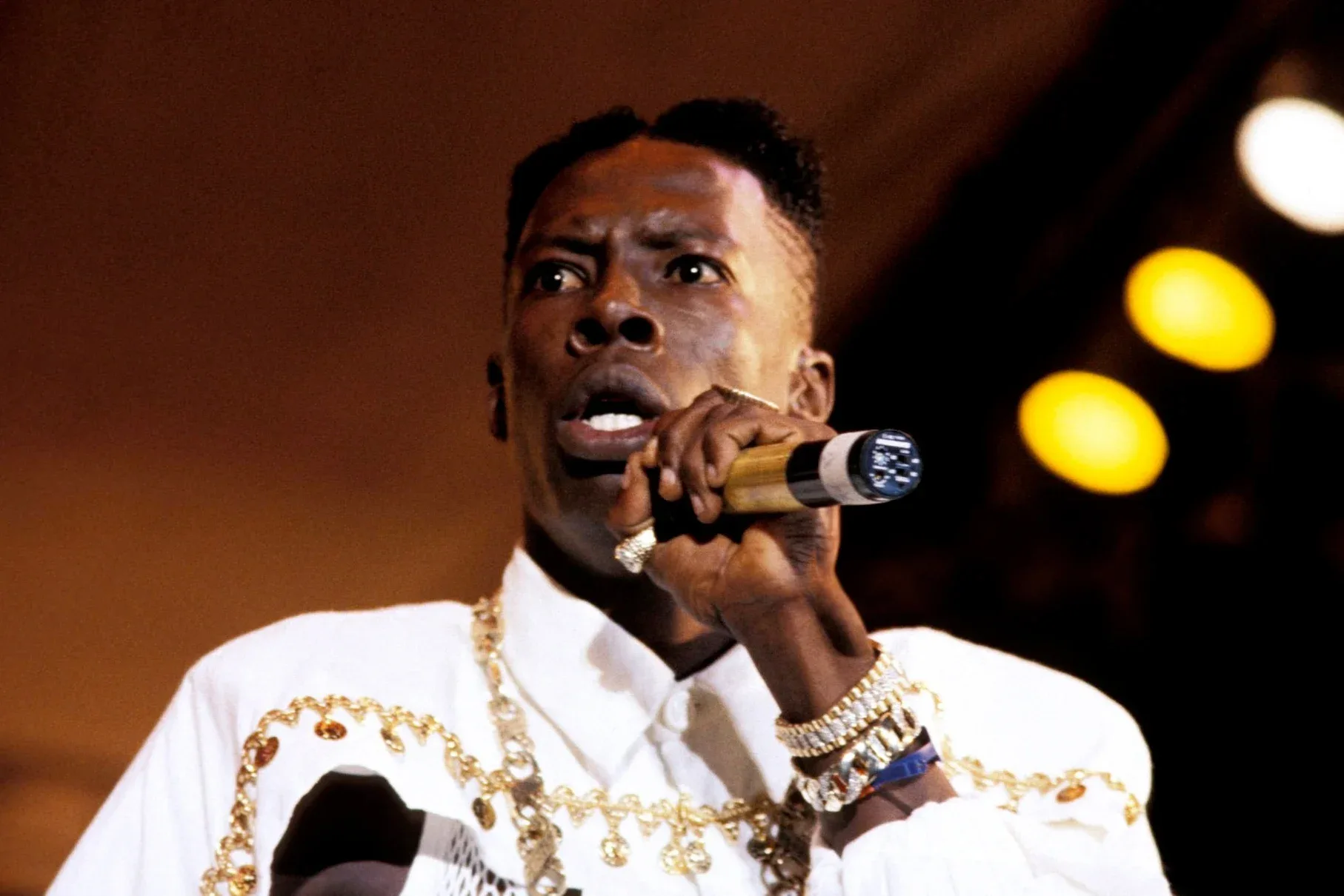
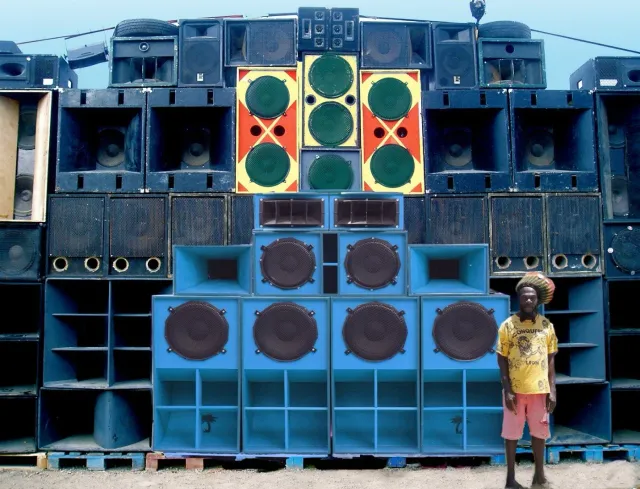
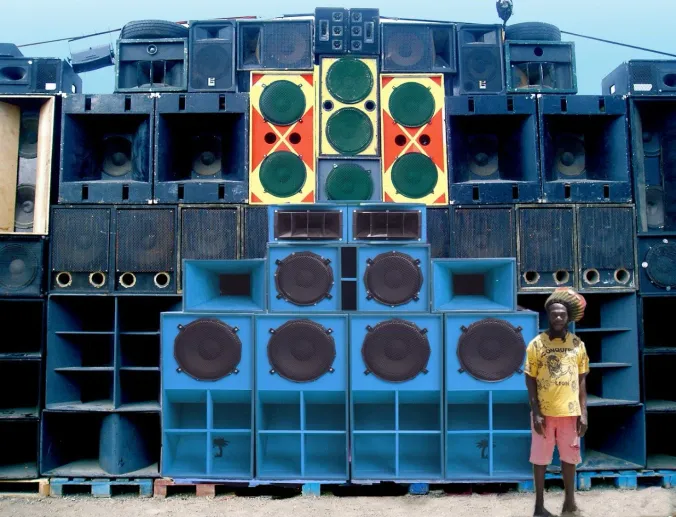
The Jamaican deejay tradition — toasting over a riddim rather than singing a fixed melody — long predates the digital era, tracing back to sound-system MCs of the 1950s and '60s and codified as a performance art by pioneers like U-Roy, Big Youth, and I-Roy through the 1970s. But the arrival of digital riddims in the mid-1980s changed the raw material deejays had to work with, and with it, the style of deejaying itself.
New Space, New Flow
Digital riddims were sparser than their live-band predecessors — tighter low end, cleaner arrangements, more open space in the mix — and they tended to run faster. That combination gave deejays a different canvas: more room to fill with intricate, rapid-fire patterns of speech, and a faster tempo that rewarded sharper, punchier delivery over the more relaxed pacing common in 1970s toasting.
Deejays who came up through the late 1980s and 1990s — Shabba Ranks, Ninjaman, Super Cat, Josey Wales, and later Bounty Killer and Beenie Man — built styles suited to this new digital foundation: faster, more percussive, more rhythmically locked to the machine-precision of a drum program than to the human sway of a live band.
A Harder-Edged Sound
The digital shift coincided with — and arguably accelerated — a broader hardening of dancehall's lyrical content through the late 1980s and into the 1990s. As riddims grew sparser and more aggressive, so did much of the vocal content riding over them, with "gun talk" and slackness lyricism becoming dominant modes alongside more culturally rooted material. This wasn't purely coincidental: the stripped-back digital sound left little room for subtlety in the instrumental, and many deejays matched that rawness in their delivery and subject matter.
From Toasting to International Stardom
The digital era also coincided with dancehall deejaying's first real breakthroughs onto the international stage. Shabba Ranks became the first dancehall deejay to win a Grammy Award, doing so at the height of the digital riddim era, and his success — along with Super Cat's US crossover recordings — proved that the digital-era deejay style could travel far beyond Jamaican sound systems and into the American mainstream.
By the 1990s, deejaying — not singing — had become dancehall's dominant vocal mode, a direct legacy of the digital transformation that gave deejays faster, sparser, more rhythmically demanding riddims to chat over, and rewarded the artists who could master them.
Related articles
Continue reading