2026-04-02
Dancehall Queens: Style, Power, and Cultural Influence
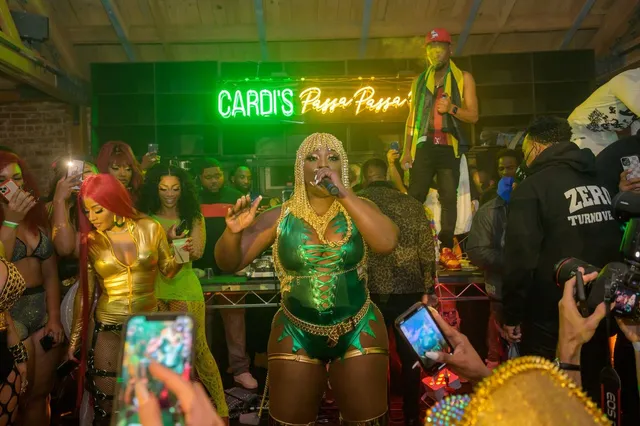
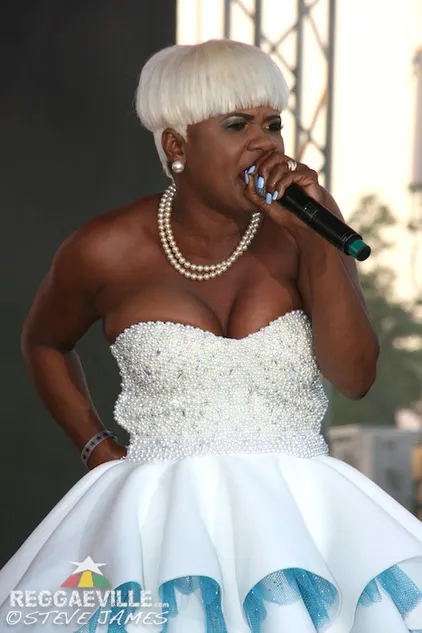
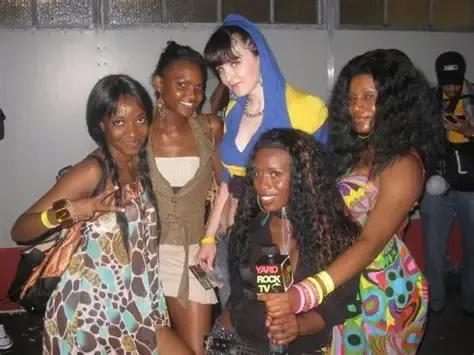
The figure of the dancehall queen is one of the most visually powerful and culturally significant presences in Jamaican popular culture.
Curated by YardRock TV · Researched by The Reggae Institute
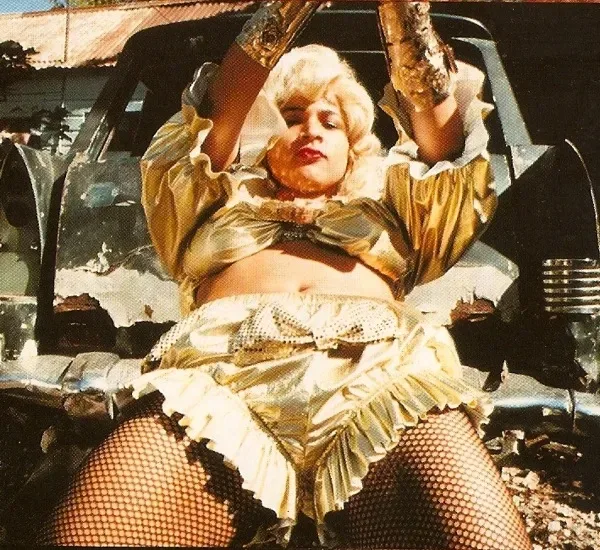
Photography Alex Welsh
A Dancehall Museum Journal Feature
The figure of the dancehall queen is one of the most visually powerful and culturally significant presences in Jamaican popular culture.
She is not simply a style icon, nor merely a performer within nightlife. She is a creator of image, movement, confidence, visibility, and cultural energy.
Across decades of dancehall history, dancehall queens have shaped the aesthetics of the culture through fashion, beauty, dance, bodily performance, and public presence. They helped define how dancehall looks, how it moves, how it commands attention, and how it stages femininity, glamour, confidence, and power in public space.
To understand dancehall fully, one must understand the role of the dancehall queen.
She is not a side figure in the culture. She is one of its central visual and performative architects.
Dancehall queens belong not only to nightlife history, but to the histories of:
Their legacy is profound. And it deserves serious institutional recognition.
Who Is the Dancehall Queen?
The term dancehall queen refers to more than one thing.
It can refer to:
But beyond any single definition, the dancehall queen represents a broader cultural phenomenon:
the woman who transforms the dance into a stage of visual power
She is often read instantly through:
In dancehall, these are not minor qualities. They are forms of cultural authorship.
The dancehall queen is not only seen. She is remembered.
The Dancehall as a Space of Female Visibility
One of the most important things about dancehall culture is that it created a public arena in which women could become highly visible — visually, socially, and performatively.
The dancehall has long functioned as:
For women, this visibility could be complex and contested, but it was also culturally powerful.
Within the dancehall, women shaped the atmosphere of the space through:
This is crucial because mainstream historical narratives often overlook how important nightlife and public leisure spaces are to the making of visual culture.
Dancehall queens remind us that the dance itself is a place where image, femininity, identity, and power are actively produced.
Style as Power
The dancehall queen has always been inseparable from style.
In dancehall, fashion is not an accessory to identity. It is one of the primary ways identity is made visible.
Dancehall queens have historically used fashion to communicate:
This has included styles that are:
The visual language of the dancehall queen has helped shape some of the most iconic dimensions of Jamaican style culture.
Her fashion is often not merely about looking attractive. It is about being undeniably present.
That presence is a form of power.
Beauty, Hair, and the Architecture of Glamour
The image of the dancehall queen is constructed not only through clothing, but through a complete aesthetic system of beauty and self-presentation.
This includes:
In dancehall, beauty has often functioned as an active practice of self-making.
To prepare for the dance is to build an image.
That image is shaped through time, labor, styling knowledge, aesthetic choices, and personal invention. This is one of the reasons dancehall queens must be understood within a broader history of Black beauty culture.
Beauty here is not superficial. It is expressive, strategic, social, and performative.
The dancehall queen demonstrates that beauty can operate as:
This is why beauty culture must be treated as central to dancehall history — not secondary to it.
Movement as Cultural Language
The dancehall queen is not only dressed. She is in motion.
Movement is one of the defining dimensions of her cultural role.
Dancehall queens helped shape the bodily language of dancehall through:
This is one of the reasons the dancehall queen cannot be understood only through still imagery. She must also be understood through movement.
Her dance is not merely physical expression. It is a form of visual communication and cultural authorship.
The body in dancehall often becomes a site where:
Dancehall queens have long played a central role in shaping this embodied language.
They helped define what dancehall looks like when it moves.
The Dancehall Queen and the Politics of Public Femininity
One of the reasons the dancehall queen remains such a powerful figure is because she sits at the intersection of multiple cultural questions:
This is why the dancehall queen cannot be reduced to stereotype.
She has often been discussed through simplified or moralized lenses, but such readings fail to capture the complexity of what she represents.
The dancehall queen occupies a public role in which femininity is not hidden. It is amplified.
That amplification can be empowering, controversial, celebratory, contested, or all of these at once. But it is never culturally insignificant.
The dancehall queen forces public culture to confront questions about:
This is part of what makes her such an important figure in Jamaican cultural history.
Competition, Spectacle, and the Dancehall Queen Tradition
The tradition of formal and informal dancehall queen competition helped give public structure to the role.
In these spaces, women were not only participants in the dance — they were central performers within it.
Competitions and public dance spaces amplified the importance of:
This tradition matters because it formalized the dancehall queen as a cultural figure and helped solidify her place in the public imagination.
At the same time, the culture of competition also reveals something important about dancehall itself:
Dancehall has always valued performance excellence.
Whether through fashion, dance, voice, or sound system rivalry, dancehall consistently rewards the ability to stand out.
The dancehall queen became one of the culture’s most compelling embodiments of that principle.
Women as Image-Makers in Dancehall Culture
Too often, histories of dancehall focus overwhelmingly on male artists, producers, or deejays while underestimating the role women played in shaping the culture’s visual identity.
This is a major omission.
Women have helped define dancehall through:
In many ways, women have been among the most important image-makers in dancehall history.
Their impact can be seen not only in live spaces, but in:
To write the history of dancehall without centering women’s visual and performative labor is to tell only part of the story.
The Dancehall Queen as Cultural Icon
Over time, the dancehall queen has become more than a nightlife figure.
She has become a cultural icon.
She represents a powerful fusion of:
Her influence extends beyond the dance into broader visual culture, including:
This is why the dancehall queen belongs in conversations about:
She is not simply part of dancehall’s atmosphere. She is part of its iconography.
Why Dancehall Queens Belong in the Museum
Dancehall queens must be preserved and studied because they are central to the culture’s visual and social history.
Their legacy lives in:
Yet much of this history remains under-archived or treated as too informal, too visual, or too embodied to be documented with seriousness.
That must change.
To preserve the history of dancehall queens is to preserve:
This is museum work.
Because cultural history does not live only in records and institutions. It also lives in the body, in movement, in styling, in image, and in public memory.
Dancehall queens carry all of these.
Conclusion: Visibility as Legacy
The dancehall queen is one of the most powerful visual figures in Jamaican cultural life.
She is a creator of atmosphere, style, movement, glamour, and cultural energy. Through fashion, beauty, dance, and public presence, she helped shape how dancehall has been seen, felt, and remembered across generations.
Her significance is not superficial. It is historical.
She belongs to the archive. She belongs to fashion history. She belongs to performance history. And she belongs in the museum.
The dancehall queen is not simply part of the scene.
She helped define what the scene looked like.
Research Credit
Published by Dancehall Museum
How Jamaican Culture Shaped New York, the Entertainment Industry, and the World
How Jamaican Culture Shaped New York, the Entertainment Industry, and the World By Dancehall Museum Roots That Cross Oceans: Jamaica’s Cultural Powerhouse From the streets of Kingston to the boroughs of New York City, Jamaican culture has left an unforgettable mark on global music, fashion, language, and lifestyle. What began with ska, rocksteady, reggae,…
Read More How Jamaican Culture Shaped New York, the Entertainment Industry, and the WorldContinue
Super Cat: Cool Authority, Style, and the Architecture of Dancehall Swagger
Photo: Martei Korley Super Cat: Cool Authority, Style, and the Architecture of Dancehall Swagger A Dancehall Museum Journal Feature Researched by The Reggae Institute Curated by YardRock TV In the visual history of dancehall, few figures embody the power of understated style as completely as Super Cat. Where some artists commanded attention through spectacle, excess,…
Read More Super Cat: Cool Authority, Style, and the Architecture of Dancehall SwaggerContinue
Yellowman: The Legendary Voice Who Helped Define Dancehall
Yellowman: The Legendary Voice Who Helped Define Dancehall A Dancehall Museum Journal Feature Researched by The Reggae Institute Curated by YardRock TV Few figures in the history of dancehall are as important, recognizable, or culturally foundational as Yellowman. To speak of Yellowman is to speak of one of the defining architects of early dancehall…
Read More Yellowman: The Legendary Voice Who Helped Define DancehallContinue
Shabba Ranks and the Global Dancehall Image
Shabba Ranks and the Global Dancehall Image A Dancehall Museum Journal Feature Researched by The Reggae Institute Curated by YardRock TV Few artists have shaped the global image of dancehall as powerfully as Shabba Ranks. Before dancehall became a familiar visual and sonic language in international music culture, Shabba Ranks helped carry its image onto…
Read More Shabba Ranks and the Global Dancehall ImageContinue
From the Archive: The Visual Language of Dancehall Flyers
From the Archive: The Visual Language of Dancehall Flyers A Dancehall Museum Archive Feature Researched by The Reggae Institute Curated by YardRock TV Long before social media posts, event pages, or digital campaigns, dancehall moved through paper, walls, corners, lampposts, handbills, and street circulation. Among the most important visual records of dancehall culture are its…
Read More From the Archive: The Visual Language of Dancehall FlyersContinue
The Language of Dancehall: Patois, Style, and Identity
The Language of Dancehall: Patois, Style, and Identity A Dancehall Museum Journal Feature Researched by The Reggae Institute Curated by YardRock TV Dancehall is not only a sound or a style. It is a language. From the earliest days of Jamaican sound system culture to the global spread of dancehall, language has been central to…
Read More The Language of Dancehall: Patois, Style, and IdentityContinue
Related articles
Continue reading