Collections
The archive of dancehall
Dancehall is not only heard — it is seen, worn, performed, circulated, and lived. The collections preserve its material, visual, sonic, and cultural record.
Curated by YardRock TV · Researched by The Reggae Institute
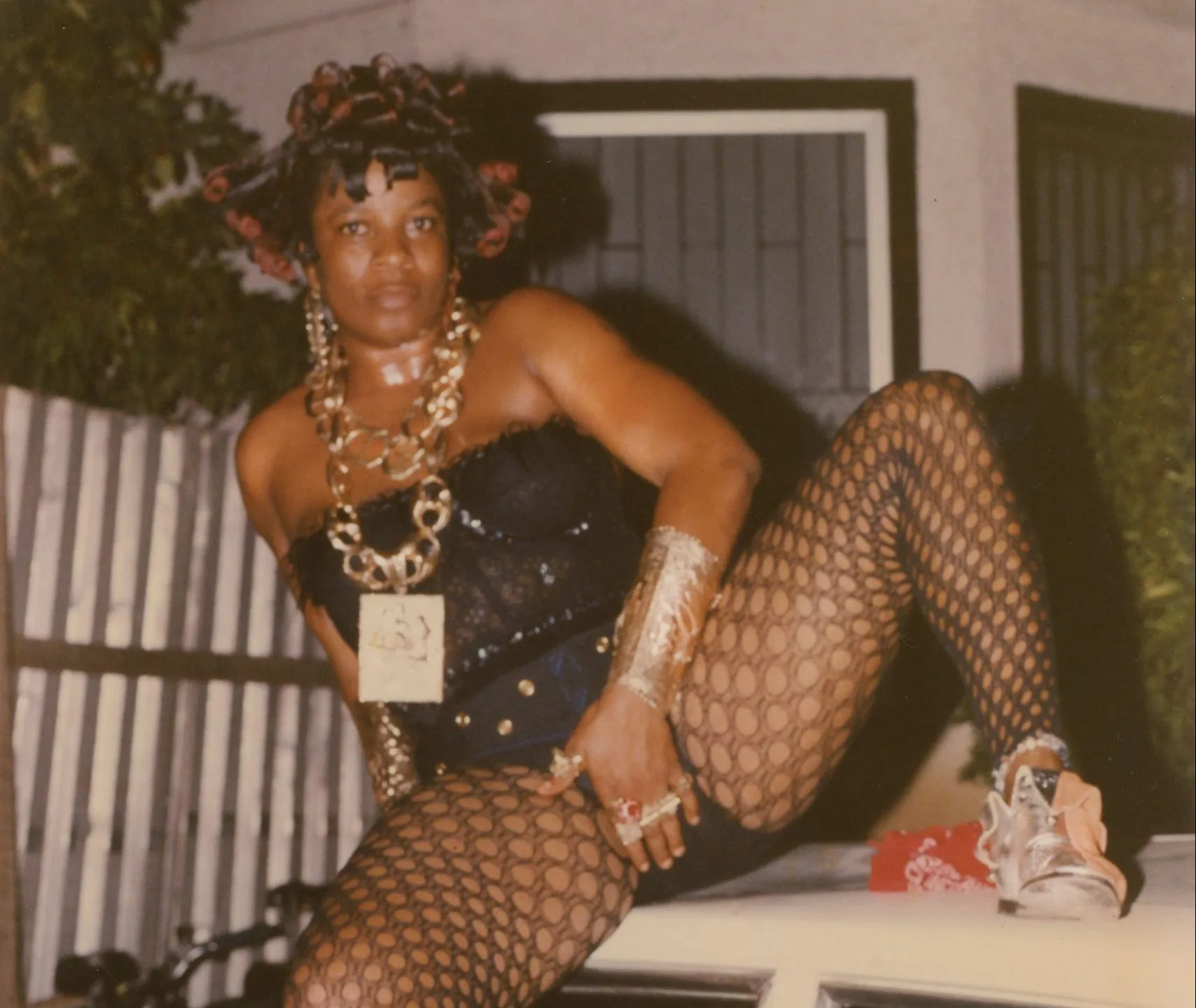
Preserving the Objects, Images, Media, Style, and Cultural Memory of Dancehall
The collections of Dancehall Museum preserve the material, visual, sonic, and cultural record of dancehall. Through photography, fashion, media, print culture, oral histories, promotional ephemera, and performance documentation, the museum gathers and interprets the many forms through which dancehall has been expressed, remembered, and experienced.
Dancehall is not only heard — it is seen, worn, performed, circulated, archived, and lived. The collections of Dancehall Museum reflect that full cultural world.
About the Collections
Dancehall Museum collects, preserves, and presents materials that document dancehall as a living cultural movement.
These collections help tell the story of dancehall through:
Together, these materials form a growing digital collection dedicated to preserving one of Jamaica’s most influential cultural contributions.
Collection Areas
Fashion & Style
Dancehall has long been one of the most visually distinctive style cultures in the world.
This collection area explores the role of fashion, grooming, and personal presentation in dancehall culture, including:
This collection examines how dancehall transformed fashion into a language of identity, confidence, performance, and visibility.
Flyers, Posters & Graphic Culture
Dancehall has always had a powerful visual language — one shaped through promotion, print, design, and street visibility.
This collection area preserves:
These materials document the graphic identity of dancehall and the ways culture moved through neighborhoods, dance spaces, and communities before the digital era.
Performance Photography
Photography has played a vital role in shaping how dancehall is seen, remembered, and circulated.
This collection includes:
These images preserve the energy, image-making, and visual history of dancehall across generations.
Sound System Material Culture
The sound system is one of the foundational institutions of dancehall culture.
This collection area documents the technologies, objects, and environments that shaped dancehall’s sonic power, including:
This collection reflects the engineering, creativity, ritual, and competitive spirit at the center of dancehall.
Recorded Sound & Media
Dancehall lives through recordings, broadcasts, mixes, and media circulation.
This collection includes:
These materials help document how dancehall moved through speakers, radio, homes, cars, dance spaces, and global audiences.
Video, VHS & Broadcast Culture
Dancehall’s image culture expanded powerfully through video and broadcast media.
This collection area includes:
These materials capture how dancehall became not only a sound, but a visible and performative force.
Dance & Movement Culture
Dancehall is inseparable from movement.
This collection documents the embodied language of dancehall through:
This collection recognizes dance as one of dancehall’s most powerful forms of cultural authorship.
Beauty, Hair & Self-Presentation
Beauty culture is central to dancehall’s visual world.
This collection area preserves materials related to:
This collection reflects the role of beauty in dancehall as a creative and cultural practice.
Print Media & Editorial Culture
Dancehall has also been documented, interpreted, and circulated through magazines, newspapers, interviews, and editorial media.
This collection includes:
These materials help trace how dancehall has been represented publicly over time.
Oral Histories
Dancehall Museum values memory, voice, and lived experience as essential forms of cultural preservation.
This collection includes oral histories and testimonies from:
These stories provide critical insight into the lived history of dancehall and preserve perspectives that are often left out of formal archives.
Collection Philosophy
Preserving a Living Culture
Dancehall Museum approaches collecting as a form of cultural preservation, interpretation, and respect.
The museum recognizes that dancehall history lives not only in official institutions, but in:
By bringing these materials into a museum context, Dancehall Museum works to preserve dancehall as a major cultural force worthy of institutional recognition and long-term care.
Digital Collections Access
A Growing Digital Collection
As a digital museum, Dancehall Museum is building a growing online collection that will continue to expand over time.
Future collection access may include:
This evolving structure will allow visitors, students, researchers, and the public to engage more deeply with dancehall’s cultural record.
Research & Interpretation
The collections of Dancehall Museum are interpreted through:
Research by The Reggae Institute
This curatorial and research framework ensures that the museum’s collections are presented with historical context, cultural integrity, and scholarly care.
Contribute to the Collection
Help Preserve Dancehall History
Dancehall Museum welcomes future opportunities to preserve and document dancehall through community memory, archival materials, visual culture, and oral history.
Future contributions may include:
As the museum grows, Dancehall Museum aims to become a trusted home for preserving dancehall heritage for future generations.
The Collection Is the Memory of the Culture.
WHAT TO DO NEXT ON YOUR SITE
After you paste this page into WordPress, you should visually break the page up with image blocks or cards.
BEST VISUAL LAYOUT:
After “Collection Areas,” you can make each category look like a museum card:
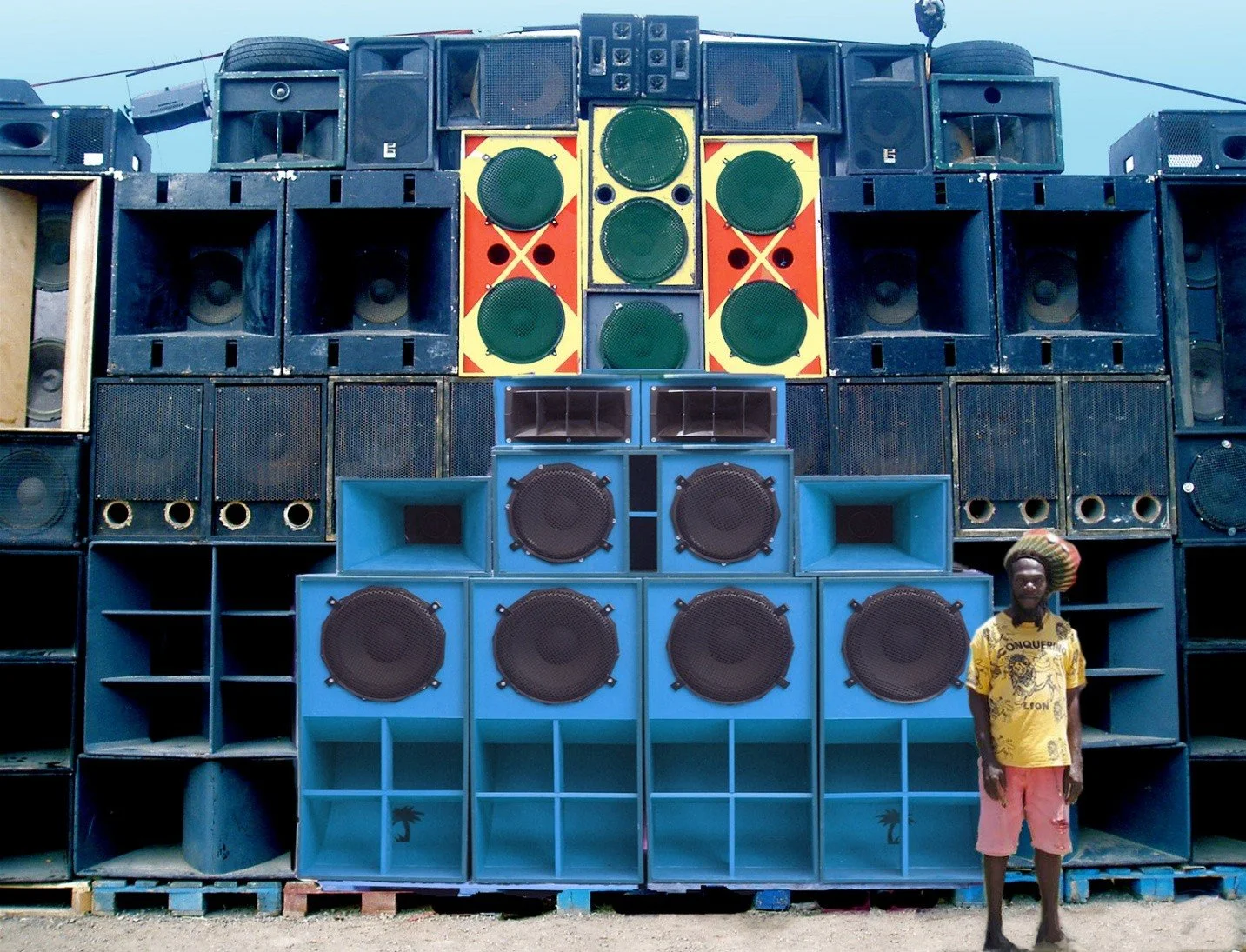
Collection
Music & Sound-System Culture
The speaker stacks, selectors, and dubplates that built dancehall from the ground up.
Learn moreBrowse by theme