2026-04-02
Dancehall Origins: From Kingston Jamaica to the World
Dancehall is one of the most influential cultural movements to emerge from Jamaica in the modern era.
Curated by YardRock TV · Researched by The Reggae Institute
A Dancehall Museum Journal Feature
Dancehall is one of the most influential cultural movements to emerge from Jamaica in the modern era.
What began in the dance spaces, sound systems, neighborhoods, and social life of Kingston would evolve into a global force — reshaping music, fashion, movement, nightlife, image culture, and performance across continents. Today, dancehall can be heard in clubs and festivals worldwide, seen in global fashion and music videos, and felt in the sonic architecture of multiple modern genres.
Yet to understand dancehall’s global reach, one must first understand its origins.
Dancehall did not begin as a commercial trend or a digital export. It emerged from place — from the urban and social realities of Jamaica, from the sound systems that transformed public listening, and from the people who turned the dance into a site of creativity, identity, competition, and communal life.
Dancehall is not only a genre. It is a cultural world.
And that world began in Kingston.
Before Dancehall Was a Genre, It Was a Space
The word “dancehall” originally referred not to a style of music, but to a place.
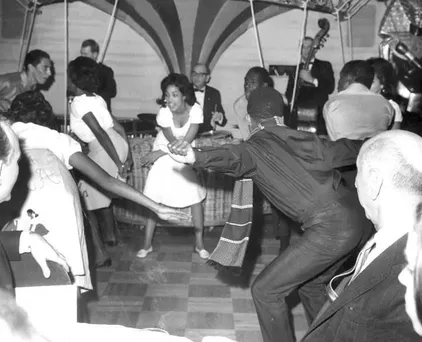
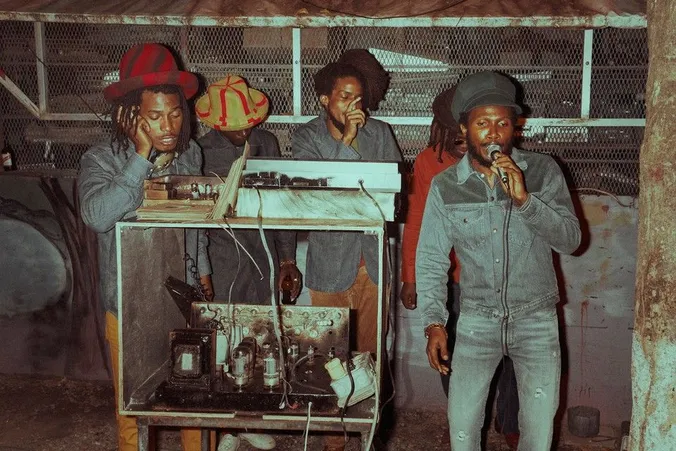
In Jamaica, dancehalls were the halls, lawns, yards, corners, and open-air spaces where people gathered to hear music, socialize, dance, and witness performance. These were not merely entertainment venues. They were some of the most important public cultural spaces in Jamaican life.
Before dancehall became recognized internationally as a genre, the dancehall already functioned as:
This is a crucial point.
Dancehall was born not first as an industry, but as a social environment.
It was in these spaces that communities gathered to hear music at high volume, see and be seen, perform style, test new songs, and participate in a culture of rhythm, energy, and public expression.
The dancehall was not simply where the culture happened. It was what made the culture possible.
Kingston: The Birthplace of Dancehall Culture
To speak of dancehall origins is to speak of Kingston.
Kingston is not only Jamaica’s capital. It is one of the great music cities of the modern world — a place where sound system culture, street life, migration, creativity, and social innovation produced multiple genres that changed global music history.
Dancehall emerged most powerfully out of Kingston’s urban life, especially within communities where music functioned as both expression and survival. UNESCO has formally recognized Kingston as a Creative City of Music, noting its central role in the development of multiple Jamaican musical forms and its significance within global music culture.
Kingston provided the essential ingredients that would shape dancehall:
Dancehall’s roots are therefore inseparable from the city’s social geography.
It is a Kingston culture before it is a global one.
The Sound System: The First Institution of Dancehall
No history of dancehall can begin anywhere other than the sound system.
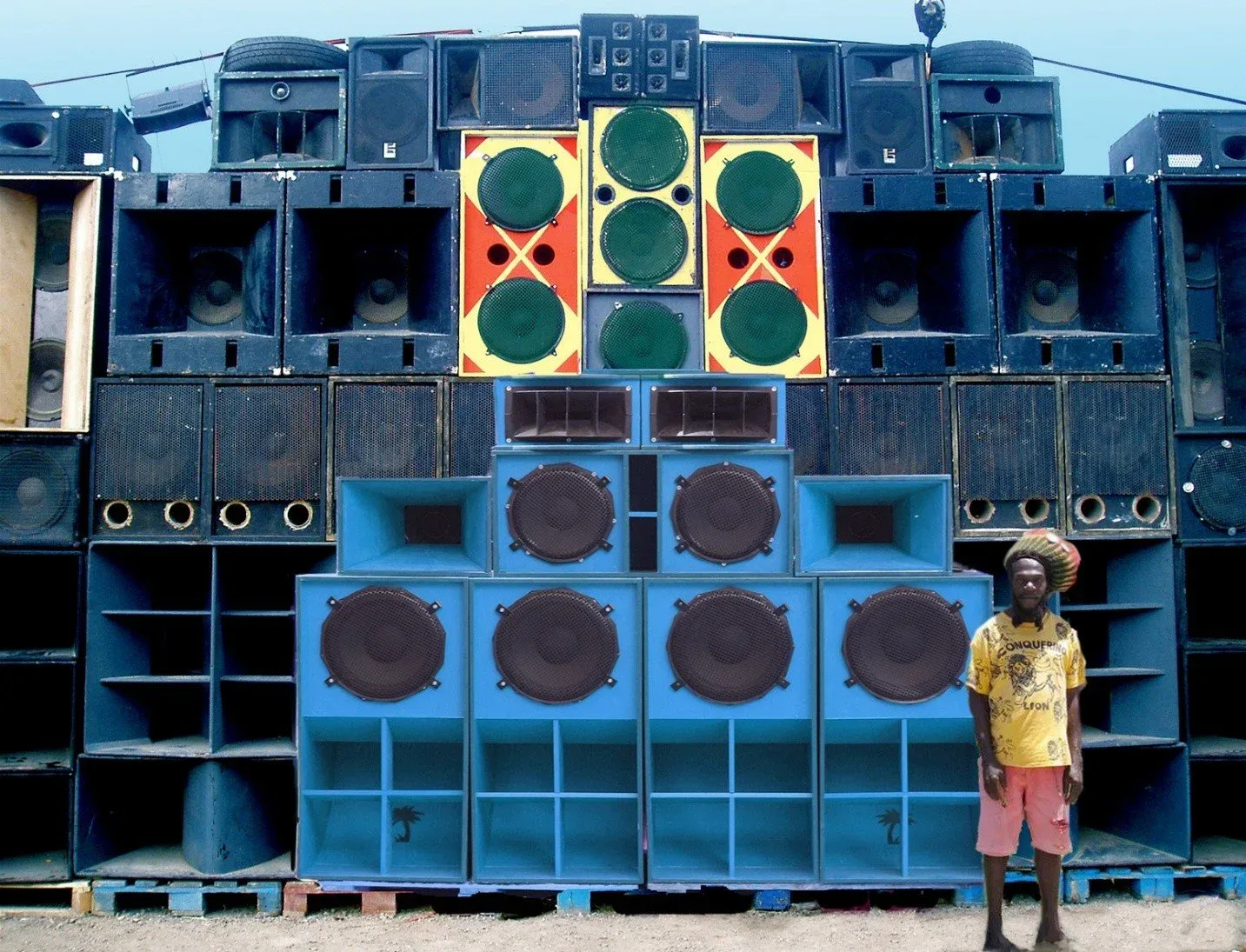
The Jamaican sound system was one of the most transformative cultural inventions of the twentieth century. More than a collection of speakers, it was a complete social and sonic institution — made up of operators, selectors, amplifiers, turntables, crews, audiences, and spaces of public listening.
From the 1950s onward, sound systems transformed how music was experienced in Jamaica. They took music out of private interiors and projected it into public life — into streets, yards, lawns, and dance spaces. They made bass physical, listening communal, and music deeply tied to place and social identity.
The sound system created the environment from which dancehall would later emerge by establishing the culture’s core principles:
The sound system did not simply support dancehall. It made dancehall possible.
Without the sound system, there is no dancehall.
From Ska and Reggae to Dancehall
Dancehall did not emerge in isolation. It grew out of earlier Jamaican musical traditions — especially ska, rocksteady, reggae, and dub — while gradually developing its own distinct identity.
These earlier forms helped establish many of the elements dancehall would later intensify:
By the late 1970s, however, a shift was underway.
A newer, more immediate, more street-centered cultural energy was taking shape — one increasingly focused on:
This was not simply “reggae changing.” It was the emergence of a new cultural language.
Dancehall inherited from reggae — but it was never merely a continuation of it. It was its own social and sonic formation.
The Deejay and the Rise of Voice as Power
One of the most important developments in dancehall’s origins was the rise of the deejay as a central figure.
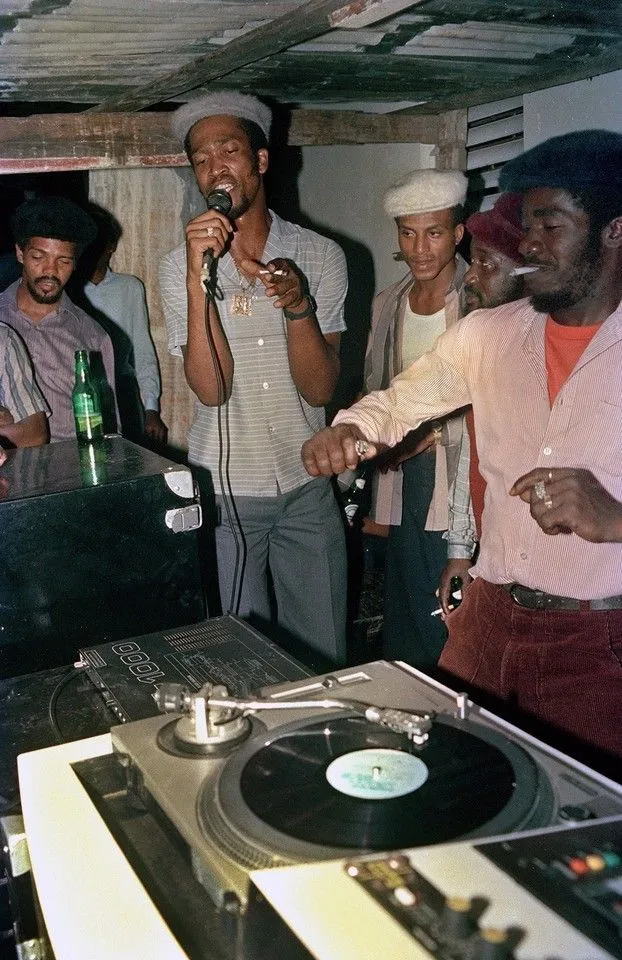
In Jamaican music culture, the deejay is not simply a person who selects records. The deejay is a vocal performer — a rhythmic speaker, lyrical strategist, and live communicator whose voice becomes part of the energy of the dance.
As dancehall developed, the deejay became increasingly central because the culture was not only about songs — it was about command.
The deejay brought:
This helped define one of dancehall’s most important qualities:
the voice as performance power
The deejay’s emergence changed the shape of Jamaican music and helped establish performance traditions that would later influence multiple global forms of MC culture.
The Late 1970s and Early 1980s: Dancehall Takes Shape
By the late 1970s and early 1980s, the foundations of modern dancehall were firmly in place.
This was the period when dancehall began to emerge more clearly as a distinct musical and cultural formation. The sound was becoming leaner, more dance-centered, and more closely tied to deejay performance and the energy of the dance itself.
This era was shaped by:
Importantly, dancehall in this period was not only a sound. It was a way of being in public.
This included:
This is why dancehall cannot be reduced to recordings alone. Its origins are social, embodied, and spatial.
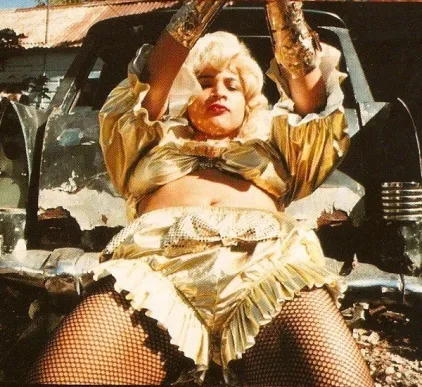
The Dancehall as Fashion Stage and Social Theater
One of the reasons dancehall became so culturally powerful is that it developed as more than a music scene.
It was a complete visual and social world.
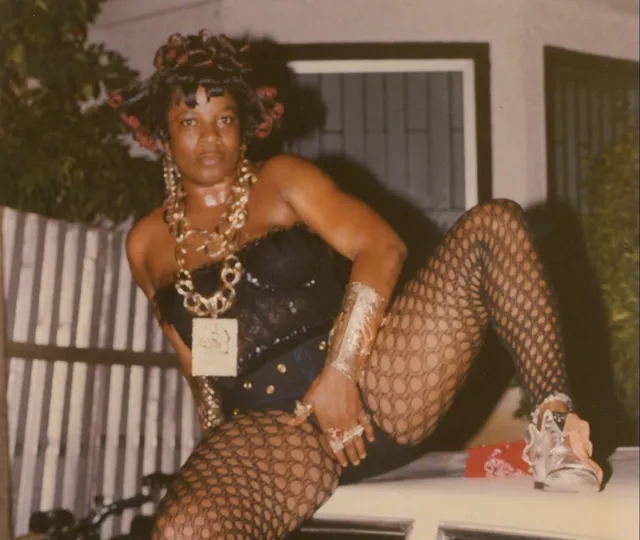
The dancehall functioned as:
In this environment, music, fashion, beauty, dance, and attitude became inseparable.
This is why dancehall would later become so globally influential. It had already developed one of the most complete systems of sound + style + movement + image in modern popular culture.
Its origins are therefore as visual as they are musical.
1985 and the Digital Turn
One of the most important turning points in dancehall history came in the mid-1980s with the rise of digital production.
A defining moment in this shift is the emergence of the now-legendary “Sleng Teng” riddim, associated with King Jammy and Wayne Smith, which is widely recognized as a key catalyst in the digital revolution of Jamaican music. Jamaican music reporting and retrospectives consistently identify this as a transformative moment in the development of digital dancehall.
This was not simply a hit song. It represented a major structural change in how dancehall could sound and circulate.
Digital dancehall brought:
This accelerated dancehall’s ability to travel.
It also made its sound more adaptable to global club culture and later international genres.
The digital turn did not create dancehall’s origins. But it helped transform those origins into a more exportable and globally influential form.
Dancehall and the Everyday Life of the City
Dancehall’s origins cannot be understood only through artists or recordings. They must also be understood through everyday life.
Dancehall emerged from:
It was shaped by the rhythms of city life — by what people wore, how they moved, what they heard, where they gathered, and how they expressed themselves under social and economic pressure.
This is why dancehall remains such a powerful cultural form.
It was not invented in abstraction. It was built through lived reality.
Dancehall origins are therefore inseparable from:
This grounding is part of what gave dancehall its force.
From Kingston to the World
Once dancehall developed its distinct cultural and sonic identity, it began to move far beyond Jamaica.
This global spread happened through multiple channels:
By the late twentieth century, dancehall had become a major transnational force — shaping scenes in places such as:
This is where dancehall’s origins become especially significant.
Because what traveled globally was not just music. It was an entire cultural system rooted in Kingston:
Dancehall became global without ceasing to be Jamaican.
That is one of its greatest achievements.
Why Origins Matter
To study dancehall origins is not merely to look backward. It is to understand the foundations of one of the most important cultural movements of the modern world.
Origins matter because they reveal:
Without understanding its origins, dancehall risks being treated as just another genre or trend.
But dancehall is not just a genre. It is a cultural tradition built through:
Its origins deserve preservation because they are part of world cultural history.
Conclusion: Dancehall as Living Heritage
Dancehall began in Kingston, but it never stayed there.
It grew from the sound systems, dance spaces, neighborhoods, and social life of Jamaica into one of the most influential cultural forms of the contemporary era. Its origins remain deeply local, but its impact is global.
To understand dancehall’s future, one must honor its beginnings.
Those beginnings are found not only in songs, but in spaces. Not only in records, but in communities. Not only in artists, but in the cultural worlds that shaped them.
Dancehall did not begin as a trend.
It began as a living Jamaican culture — and it changed the world.
Research Credit
Published by Dancehall Museum
Icons of Dancehall Style: Artists Who Defined the Image of the Culture
Icons of Dancehall Style: Artists Who Defined the Image of the Culture A Dancehall Museum Journal Feature Researched by The Reggae Institute Curated by YardRock TV Dancehall is not only heard. It is seen. From its earliest days in Kingston’s dance spaces and sound systems, dancehall has been a culture built as much on…
Read More Icons of Dancehall Style: Artists Who Defined the Image of the CultureContinue
Shabba Ranks and the Global Dancehall Image
Shabba Ranks and the Global Dancehall Image A Dancehall Museum Journal Feature Researched by The Reggae Institute Curated by YardRock TV Few artists have shaped the global image of dancehall as powerfully as Shabba Ranks. Before dancehall became a familiar visual and sonic language in international music culture, Shabba Ranks helped carry its image onto…
Read More Shabba Ranks and the Global Dancehall ImageContinue
From the Archive: The Visual Language of Dancehall Flyers
From the Archive: The Visual Language of Dancehall Flyers A Dancehall Museum Archive Feature Researched by The Reggae Institute Curated by YardRock TV Long before social media posts, event pages, or digital campaigns, dancehall moved through paper, walls, corners, lampposts, handbills, and street circulation. Among the most important visual records of dancehall culture are its…
Read More From the Archive: The Visual Language of Dancehall FlyersContinue
Sound System Culture in Jamaica: The Foundation of Dancehall
A Dancehall Museum Feature Researched by The Reggae Institute Curated by YardRock TV To understand dancehall, one must first understand the sound system. Before dancehall became a globally recognized musical and cultural force, it was built in the towering speaker stacks, selector booths, open-air dances, crowded yards, and neighborhood sessions of Jamaica. It was in…
Read More Sound System Culture in Jamaica: The Foundation of DancehallContinue
The Complete History of Dancehall: From Kingston’s Dance Floors to a Global Cultural Force
A Dancehall Museum Feature Researched by The Reggae Institute Curated by YardRock TV Dancehall is one of the most influential cultural movements to emerge from Jamaica in the modern era.It is at once a music, a social world, a performance tradition, a visual language, a fashion system, a dance vocabulary, and a powerful site…
Read More The Complete History of Dancehall: From Kingston’s Dance Floors to a Global Cultural ForceContinue
Yellowman: The Legendary Voice Who Helped Define Dancehall
Yellowman: The Legendary Voice Who Helped Define Dancehall A Dancehall Museum Journal Feature Researched by The Reggae Institute Curated by YardRock TV Few figures in the history of dancehall are as important, recognizable, or culturally foundational as Yellowman. To speak of Yellowman is to speak of one of the defining architects of early dancehall…
Read More Yellowman: The Legendary Voice Who Helped Define DancehallContinue
Related articles
Continue reading